
The Ready-Rep Review: A Framework for Training Confidence
gamo Dash

You can train hard all week and still arrive at competition unsure of yourself. Maybe one session felt sharp and the next felt flat. Maybe your team has put in the work, but nobody can explain what is getting better or what to trust when the pressure rises. If you are asking how to build confidence before a performance, the answer is not to demand more certainty from yourself. It is to make your preparation easier to recognize and repeat.
For athletes and performers in group programs, confidence grows through shared, observable evidence: you know what you are practicing, you can identify a useful cue under pressure, and you can point to progress without pretending every day feels great. I use a simple coaching playbook for that work: the Ready-Rep Review. It is a way to connect training, performance, and reflection so your confidence has something real to stand on.
This is not a promise that nerves disappear or that every performance goes to plan. It is a structure for acting with more clarity even when nerves are present. You can use it with a coach, a training partner, or on your own.
How to build confidence before a performance with evidence
Confidence is often treated as a feeling you must have before you act. That puts you in a difficult position: you wait to feel ready, then judge yourself when readiness does not arrive on schedule. A more useful approach is to treat confidence as a working relationship with evidence. You remember what you have practiced, choose an action you can control, and review what happened honestly.
That distinction matters in a group setting. One athlete may feel calm but have no clear plan. Another may feel nervous yet know exactly which cue to use on the first attempt. The second athlete has a practical route into the performance, even if their emotions have not caught up.
The Ready-Rep Review has four parts:
- Ready: identify what matters today and what is within your control.
- Rep: practice the skill or routine with an intentional cue.
- Review: notice evidence, not just the feeling or the final result.
- Repeat: choose the next useful action and carry it forward.
The name is a reminder, not a claim that every session must be perfect. A useful rep can include a mistake, a reset, and a better next decision.
Step 1: Get ready by naming the job
Before a session or performance, reduce the task to something you can do. “I need to be amazing” is not a job. Neither is “I cannot mess this up.” Both make success depend on an outcome you cannot fully command.
Instead, identify one performance intention and one process cue. The intention describes the quality you want to bring. The cue tells you what to do. A sprinter might choose “patient acceleration” as an intention and “push the ground back” as a cue. A musician preparing for an audition might choose “steady phrasing” and use “release the shoulders before the entrance.” A team player might choose “communicate early” and call the first defensive switch clearly.
Keep the cue short enough to remember when your attention is busy. If you have several coaching points, ask your coach which one has priority in this session. You are not ignoring the rest of your development. You are giving your attention a manageable assignment.
A quick readiness check
Ask yourself three questions before you begin:
- What is the main task today?
- What is one action I can control?
- What will I do if I feel tense or distracted?
That last answer should be an action, not a demand to calm down. For example: exhale slowly, look at the target, repeat the cue, and begin the first controlled rep. In a group, athletes can share their cues in a short check-in. Keep it optional and specific. The point is not to compare who feels most confident. It is to make each person’s plan visible.
Example: A volleyball player feels unsettled after a string of missed serves in practice. Before the next block, they name the job as “commit to my routine.” Their cue is “same toss, full finish.” The aim is not to guarantee an ace. It is to give the next serve a clear starting point.
Step 2: Make the rep intentional
Repetition alone does not automatically create trust. When you repeat a skill without knowing what you are attending to, a session can become a long list of attempts and judgments. An intentional rep has a target, a cue, and a decision about what to do next.
Start with a version of the task that lets you practice the quality you named. That may mean working at lower intensity, reducing the number of variables, or rehearsing the first part of a routine before adding pressure. Then progress the challenge when your coach or your own judgment says the key action is available.
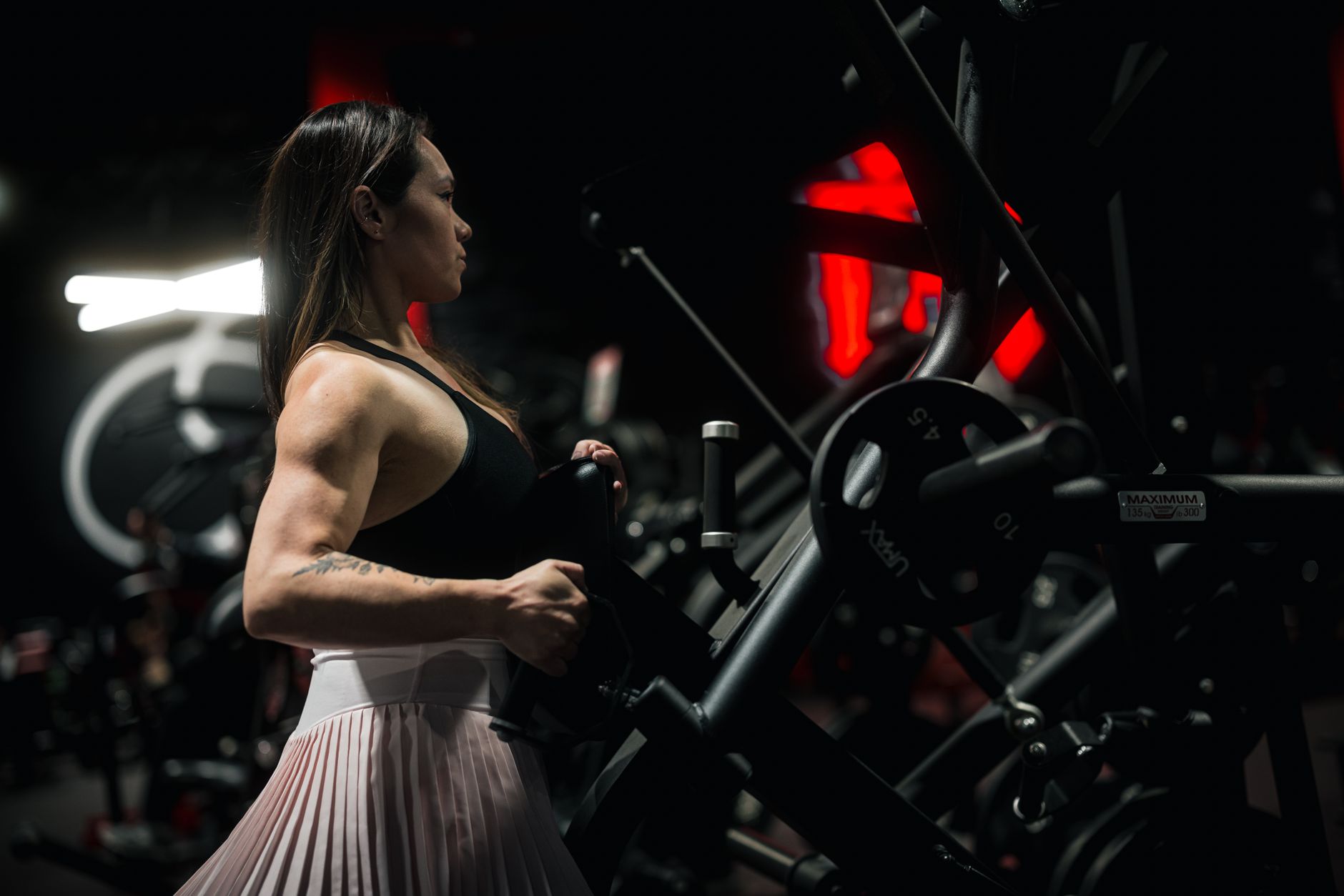
Do not confuse this with avoiding difficulty. You are building a bridge to difficulty rather than jumping straight into the hardest version every time. If your form changes under speed, for example, first establish the cue at a controlled pace, then add speed while keeping the same focus.
Use pressure as a practice ingredient
Performance pressure can be rehearsed in modest, relevant ways. A performer might run an entrance after waiting while a teammate watches. A basketball player might take a free throw after a short conditioning effort. A speaker or dancer might rehearse the opening after a deliberate pause. Keep the challenge appropriate to the athlete, the setting, and the coach’s plan.
Change one pressure element at a time. If you add a consequence, an audience, fatigue, and a time limit all at once, you may not know what you are learning. The purpose is not to create a dramatic test. It is to practice returning to the cue when conditions are less comfortable.
After a pressured rep, ask, “What did I do when the task got harder?” That question helps you notice decisions and adjustments. “Was I good?” invites a verdict. The first question gives you information you can use.
Step 3: Review what the session actually showed
A review is not a score of your worth. It is a short look at evidence. You can assess the process even when the outcome is disappointing, and you can recognize a strong result without pretending every part of the performance was solid.
Use three prompts: What did I intend? What did I notice? What will I repeat or adjust? Write a few words, say them to a coach, or share them with a partner. In a group program, each person can respond briefly, then listen without turning another athlete’s experience into a comparison.
Useful evidence can be small and specific. You remembered the reset after a mistake. Your cue stayed clear when you were tired. You spoke up earlier. You completed the routine despite an imperfect warm-up. These observations do not mean every skill is solved. They show what is becoming more available.
Use outcome information where it is relevant, but put it in context. A time, score, distance, or successful attempt can matter. It does not explain the whole performance by itself. Ask what conditions were present and what choices contributed. If the result changed, consider whether the change came from execution, circumstances, or both.
Keep the review fair
Use language that distinguishes a fact from an interpretation. “I missed two targets” is a fact. “I always fall apart” is a sweeping conclusion. “I missed two targets after rushing the setup, and I reset more quickly on the next attempt” is more useful because it describes both the challenge and the response.
If a session felt poor, you do not need to manufacture a positive lesson. You can say, “I did not have the timing I wanted, and I need my coach’s help to adjust the next drill.” Honest review is more valuable than forced optimism. Confidence needs accuracy as well as encouragement.
Step 4: Repeat one useful thing
Close the loop by choosing one next action. It might be to keep the same cue, ask a coach to watch a particular movement, repeat a controlled drill, or create a more relevant pressure condition in the next session. Write down the action in plain language.
Avoid making your next plan a punishment for an imperfect day. “Train twice as hard” is not a thoughtful adjustment. It may ignore recovery, your program, or the actual source of the problem. If discomfort, fatigue, or injury concerns are involved, speak with a qualified professional and follow the guidance appropriate to you.
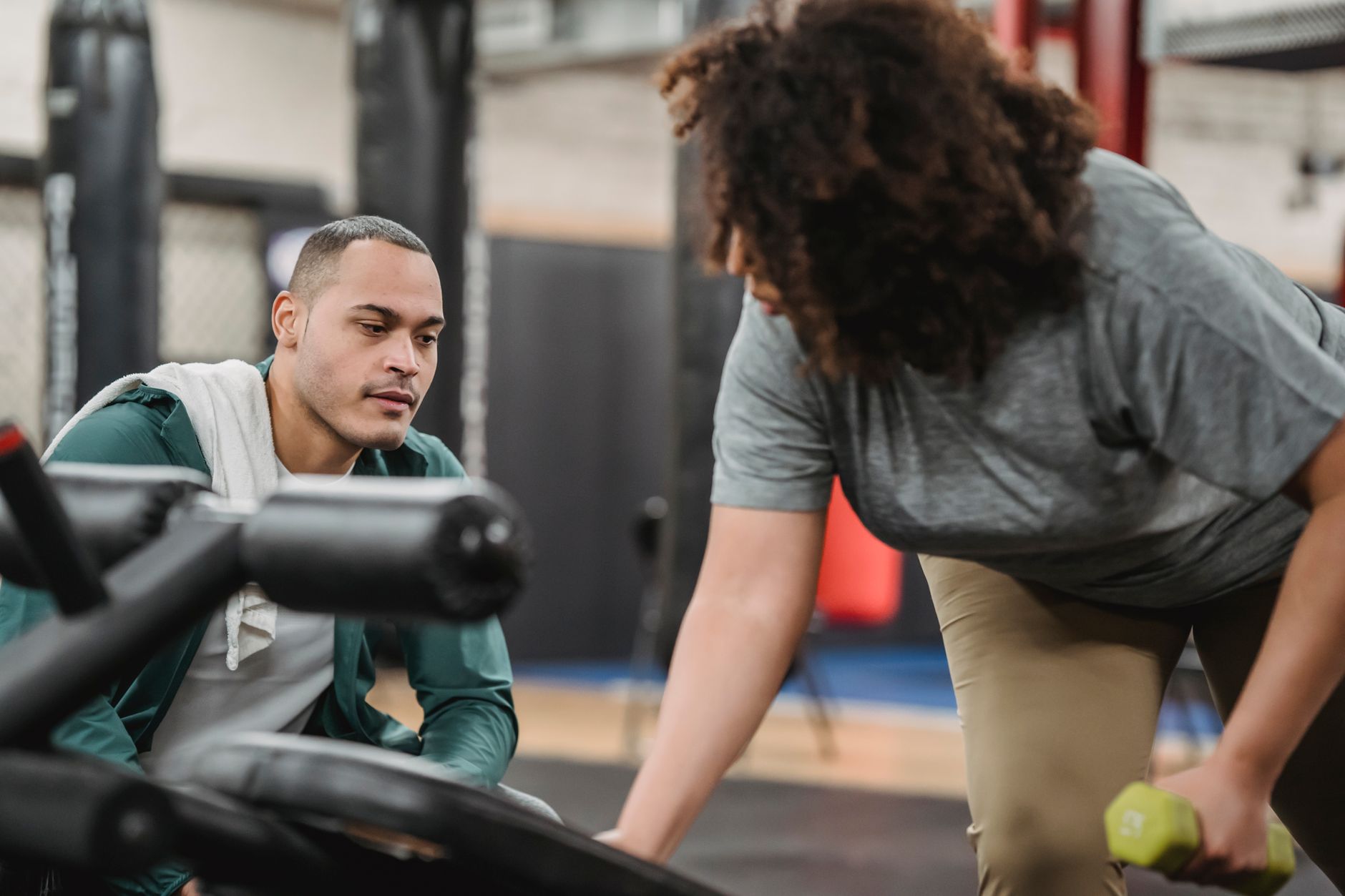
One action is enough to keep progress moving. When several athletes in a group are reviewing together, each person may choose a different next step. The shared routine creates accountability without requiring identical goals.
A compact Ready-Rep Review for group programs
A coach can use this framework in a warm-up, between training blocks, or at the end of a session. It should fit the actual session rather than compete with it. The following table is a prompt sheet, not a test or a required script.
| Moment | Ask | Example answer |
|---|---|---|
| Ready | What is your controllable focus? | “Hold my posture through the first turn.” |
| Rep | What cue will guide the attempt? | “Eyes on the exit point.” |
| Review | What did you notice, beyond the result? | “I found the cue after the first mistake.” |
| Repeat | What will you keep or adjust next? | “Keep the cue and ask for feedback on the turn.” |
For a coach, the tone of the questions matters. If athletes think every answer will be graded, they may report what sounds impressive instead of what happened. Invite concrete observations and allow a person to pass on sharing. Group reflection works best when it supports each athlete’s ownership, not public ranking.
It can also help to show progress in more than one way. A simple training log can capture the cue practiced, the conditions, and one observation. If you use performance measures, include the relevant context. The aim is to make development visible enough to discuss, not to collect data for its own sake.
Using the framework on a difficult day
Example: A dancer arrives for rehearsal after a poor night of sleep and worries about an upcoming solo. They cannot force energy or erase the worry. For Ready, they choose one controllable task: stay connected to the rhythm in the opening sequence. For Rep, they rehearse the opening at a manageable intensity and use “breathe into the count.” For Review, they notice that the first attempt was rushed but the next began on time. For Repeat, they tell the coach they want feedback on the transition into the solo.
The session may not create a confident feeling immediately. It does give the dancer a specific action and evidence of a response. That is a more useful foundation than treating one difficult morning as a prediction of the performance.
Example: A team has a scrimmage in which communication breaks down late in the game. In the review, players avoid labeling the whole effort a failure. They identify when calls became quiet, name one communication cue, and agree to practice it during the next constrained drill. The staff can acknowledge the issue while also recognizing players who re-established communication after a missed assignment.
These are illustrative scenarios, not client results. Adapt the steps to the sport, the individual, and the guidance of the coaching team.
When confidence feels low, shrink the next step
Low confidence often makes the whole performance feel like one enormous demand. Break it down. What is the first controllable action? What cue can you remember? Who can help you interpret what happened? You do not have to solve your entire season before the next repetition.
Sometimes the right next step is a conversation with your coach about workload, expectations, technique, or a concern you have been carrying. If anxiety or distress is interfering with daily life or feels difficult to manage, consider seeking support from an appropriate health professional. Coaching can help with preparation and performance habits, but it does not replace clinical care.
Also remember that confidence can coexist with uncertainty. You may not know exactly how a race, audition, match, or event will unfold. You can still know what you have practiced, what your first cue is, and how you will respond to a mistake. That is clarity you can use.
Start with one Ready-Rep Review today
Choose a session this week and keep the framework simple. Before training, write one intention and one cue. During a relevant rep, return to that cue when attention drifts. Afterward, record one piece of evidence and one next action. If you are part of a group program, share the process with a training partner or coach, while keeping the focus on learning rather than comparison.
Confidence is not a demand to feel certain. It is the ability to name what you practiced, use one clear cue, and learn from the next rep.
That is the heart of the Ready-Rep Review. Prepare with a controllable focus, practice it deliberately, review with honesty, and carry one useful action forward. You may still feel nerves. The difference is that nerves are no longer the only thing you can hear. You have a plan, a cue, and evidence of how you respond.


